Behavior Health / Addiction: Understanding Care, Recovery, and Long-Term Support
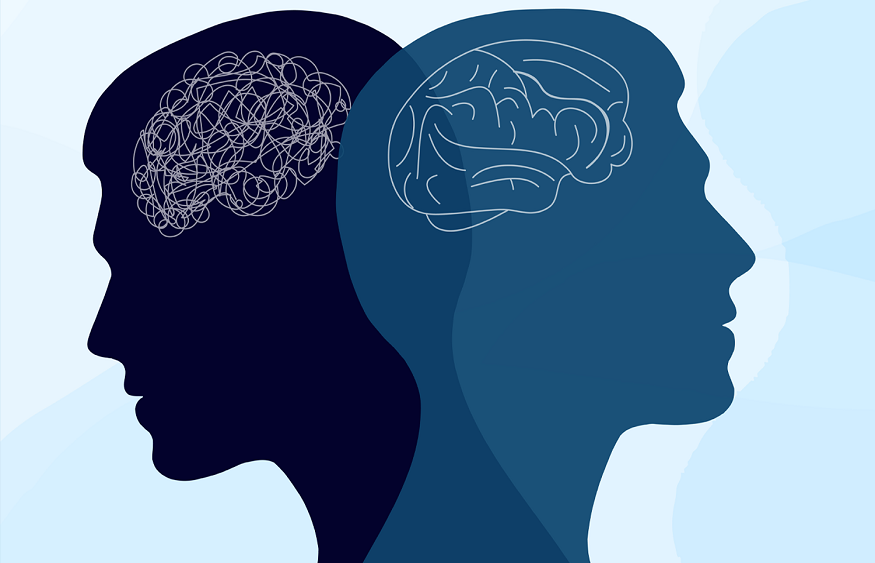
Behavior Health / Addiction is a topic that affects individuals, families, and communities on a deeply personal level. It goes far beyond substance use alone and includes mental health conditions, emotional well-being, and behavioral patterns that influence how a person thinks, feels, and functions in daily life. Understanding Behavior Health / Addiction is the first step toward reducing stigma, encouraging early intervention, and helping people access the right kind of care for lasting recovery.
What Does Behavioral Health Really Mean?
Behavioral health focuses on the connection between behaviors and overall mental and emotional wellness. It includes conditions such as anxiety, depression, trauma-related disorders, and stress management challenges. When addiction is part of the picture, behavioral health becomes even more complex, as substance use disorders often coexist with underlying mental health conditions. This is commonly referred to as a dual diagnosis, where both issues must be treated together for effective outcomes.
Read More : The Evolution of Kratom Beverages: From Tea to Seltzer
Unlike physical health conditions that may show visible symptoms, behavioral health concerns often develop quietly. Changes in mood, sleep patterns, relationships, or work performance are sometimes dismissed until they become severe. Recognizing these early signs can make a meaningful difference in treatment success.
Understanding Addiction as a Health Condition
Addiction is not a lack of willpower or a moral failure. It is a chronic health condition that affects brain chemistry, decision-making, and impulse control. Substances such as alcohol, opioids, stimulants, or even certain behaviors can alter how the brain processes reward and stress. Over time, this makes it difficult for individuals to stop using without structured support.
Behavior Health / Addiction treatment addresses these changes through a combination of medical care, therapy, and behavioral interventions. The goal is not just sobriety, but stability, improved mental health, and the ability to lead a fulfilling life.
The Link Between Mental Health and Addiction
Mental health and addiction are closely connected. Many people turn to substances as a way to cope with unresolved trauma, anxiety, depression, or chronic stress. While this may offer temporary relief, it often worsens mental health symptoms over time.
Effective behavioral health care looks at the whole person rather than treating symptoms in isolation. Integrated treatment plans may include individual counseling, group therapy, psychiatric support, and medication management when appropriate. Addressing both mental health and addiction together significantly lowers the risk of relapse and improves long-term recovery outcomes.
Types of Behavioral Health and Addiction Treatment
Treatment for Behavior Health / Addiction is not one-size-fits-all. Care plans are typically tailored based on the individual’s needs, history, and level of support. Common treatment options include outpatient therapy, intensive outpatient programs, residential treatment, and aftercare planning.
Therapeutic approaches often include cognitive behavioral therapy, trauma-informed care, motivational interviewing, and family counseling. These methods help individuals understand the root causes of their behaviors, develop healthier coping strategies, and rebuild relationships that may have been strained by addiction.
The Importance of Early Intervention
Early intervention plays a critical role in behavioral health and addiction recovery. When symptoms are addressed sooner, treatment is often less intensive and more effective. Waiting until a crisis occurs can lead to more severe health, legal, or social consequences.
Education and awareness help individuals recognize when it may be time to seek help. This includes understanding warning signs such as increased isolation, mood swings, risky behavior, or loss of control over substance use. Support from family, friends, and healthcare professionals can encourage individuals to take that first step toward treatment.
Reducing Stigma Around Behavioral Health and Addiction
Stigma remains one of the biggest barriers to care. Many people avoid seeking help for fear of judgment or misunderstanding. Changing how we talk about Behavior Health / Addiction is essential to creating a more supportive environment.
Using respectful language, sharing accurate information, and treating addiction as a health condition rather than a personal flaw helps normalize the conversation. When stigma is reduced, people are more likely to access care, remain engaged in treatment, and seek ongoing support.
Long-Term Recovery and Ongoing Support
Recovery does not end when formal treatment is complete. Behavioral health and addiction recovery is an ongoing process that requires continued support and self-care. Aftercare programs, peer support groups, and regular mental health check-ins help individuals maintain progress and manage challenges as they arise.
Read More : The Aftereffects of a Psychedelic Retreat
Long-term recovery focuses on building a balanced life that supports emotional well-being, healthy relationships, and personal goals. This may include stress management techniques, lifestyle changes, and continued therapy to strengthen coping skills.
Final Thoughts on Behavioral Health and Addiction
Behavior Health / Addiction is a complex but treatable area of healthcare that deserves understanding, compassion, and proper resources. With the right combination of education, early intervention, and comprehensive treatment, individuals can regain control of their lives and move toward lasting recovery.
By recognizing the importance of mental health, addressing addiction as a medical condition, and supporting long-term wellness, we can create stronger pathways to healing for individuals and communities alike.