The drugstore aisle seems endless. Bottles everywhere – shampoo stacked on conditioner stacked on body wash. Nobody questions it. Accustomed to our plastic world, we forgot to consider its rationale.
The Plastic Parade
Americans purchased 550 million shampoo bottles in 2025. Just shampoo. Throw in everything else and the number gets huge. Your bathroom probably holds twenty bottles right now. Few of these containers reach recycling facilities capable of processing them. The pump has metal parts. The cap uses different plastic than the bottle. That label gums up the machines. So they get tossed. They then drift in the ocean or pile up in landfills. They gradually break down into small fragments that get ingested by fish and birds. This ultimately reaches our food. We ended up in this situation because bottles were chosen as the sole method for selling soap.
Chemistry Class in Your Shower
Good luck pronouncing half the stuff on those labels. Sodium laureth sulfate sounds fancy but it basically strips everything off your skin and hair, including stuff you need. Parabens screw with hormones. That “fresh mountain breeze” smell? Made in a lab from who knows what. Triclosan might kill germs but it also kills beneficial bacteria and messes with your thyroid.
Read More:What are the basics you need to know about managing vomiting in kids?
Women slather on about 500 different chemicals before lunch. Guys use fewer products but still coat themselves in hundreds of mystery ingredients daily. Then we’re surprised by rashes, allergies, and breathing issues. The morning routine became an unplanned experiment.
Water Weight Makes No Sense
Pick up any bottle of shampoo. Know what’s mostly in there? Water. Same with conditioner. Body wash too. Our money is going to firms that bottle water, mix in soap, and then haul it across the nation. Consider the sheer stupidity of that. Every house has water. Rather than putting soap in our water ourselves, we opt for pre-mixed water sold in plastic bottles. These trucks transporting diluted soap consume thousands of miles of diesel fuel. More weight means more fuel, more exhaust, more problems. Meanwhile, the concentrated version would work just fine and weigh almost nothing.
The Alternative Already Exists
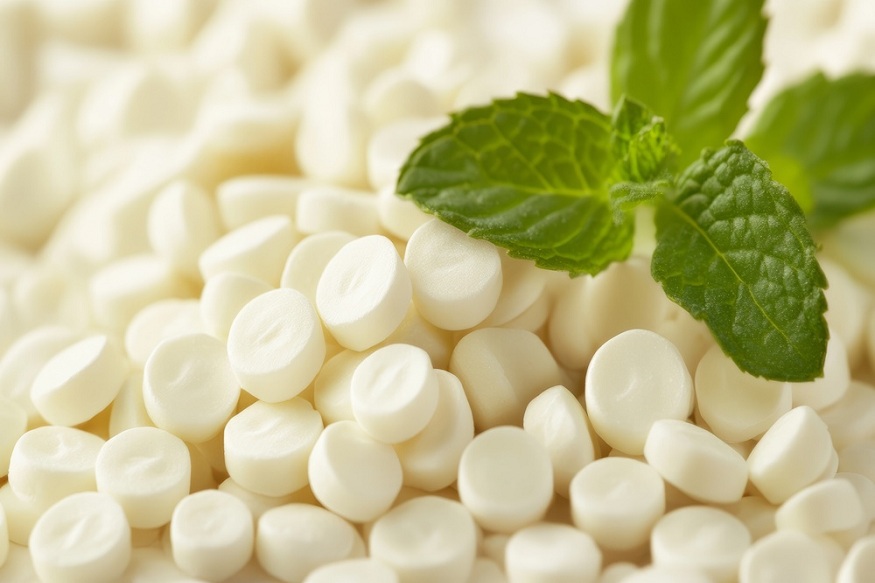
Some companies finally woke up and said “this is insane.” Shampoo bars clean hair with no bottle at all. Ecofam makes mouthwash tablets that fizz up in water when you need them. No more gargling blue liquid from a plastic jug. Deodorant comes in cardboard tubes now. Toothpaste powder in glass jars lasts way longer than those awful tubes. These products actually work better. Since bacteria require water to grow, preservatives are unnecessary. Concentrated formulas are economical. Flying gets easier without liquid limits. One solid bar replaces three or four bottles.
Making Different Normal
Habits change slowly, then suddenly. Your neighbor mentions her shampoo bar. You try one. Works great. Your sister notices, gets curious, and tries it too. Six months later, half your friends have ditched bottles. Nobody preached. Nobody lectured. They just found something better. Sure, the first week feels backward. Rubbing a bar on your head instead of squirting gel takes adjustment. Powder instead of paste seems odd. But soon the old way looks insane. All those bottles cluttering the shower. All that plastic in the trash. For what?
Read More:Introduction to Privacy and Ethics in AI-based Healthcare
Conclusion
Normal is just what everybody’s doing until they stop. People used to think cigarettes were healthy. Cars didn’t have seatbelts. Kids played with mercury in science class. Normal changes once enough people wake up. The personal care industry loves our blind acceptance. They make billions selling us watered-down products in plastic bottles full of chemicals we can’t pronounce. They’re counting on us never questioning why we need forty bottles to stay clean. Perhaps it’s time to question normalcy. Maybe different is exactly what we need.